

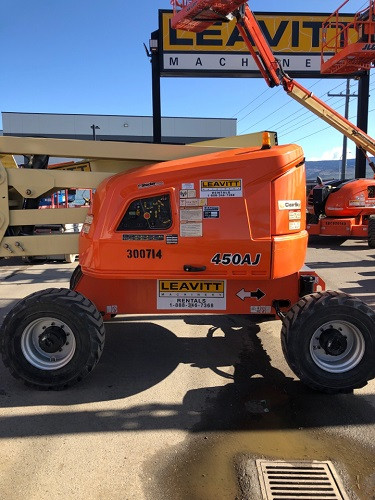


The hydraulic truck crane is a specialized mobile crane which uses hydraulic power to raise and move thousands of pounds. Hydraulics makes use of forces being transmitted through oil pushing in opposite directions on the boom's pistons in order to lift thousands of pounds. Hydraulic truck cranes are vital in building major projects like for example airports, bridges, streets and buildings. A crane could accomplish in minutes tasks that will normally take a lot of hours and hundreds of men to complete.
The great machines are normally utilized in the building of cities, houses, whole nations and individual buildings throughout the ages. Even the Great Pyramids in Egypt were probably constructed with the help of basic cranes to enable the heaviest supplies in one of the most amazing construction projects of all time.
The first cranes were established during 3000 B.C. Egypt during King Ramses' reign. This lifting device was initially utilized to collect water. The very first official "cranes" appeared in Ancient Greece. These devices were used to build a whole nation during the 5th century B.C.
Initially, cranes were first made out of wood. It wasn't until the designers building dockyards decided they needed something stronger and larger did these machinery evolve. Hick & Rothwell developed the very first cast iron cranes within Bolton, England, in 1834. This machinery can lift as much as 2 tons. That same year, wire ropes were added to the crane by Herr Albert Sr. who was an Official of the German Superior Board. The wire rope made the crane stronger and more durable. This addition enabled cranes to have a larger capacity for lifting heavy weights.
Eventually, the wire ropes were weaved together in order to form an even more powerful strength. This wire formation also brought the added benefit of flexibility. 4 years later, Germany started to build cast iron cranes. The very first cast iron crane made by Germany was made in Neuburg.