


Propane Tank Rules
The gas container, liquefied petroleum system or LP system is a collective term by OSHA that refers to the regulators, piping, hoses, regulators, fittings and valves. Depending on the capacity of the tank, the agency requires certain components. These individual parts have to go trough standard laboratory testing. The right laboratory approval would show that the system parts meet thickness, construction and pressure standards.
Tank Location
The OSHA is the organization which dictates how close the propane tank is situated to buildings, to ignitable materials, to tanks that contain inflammable liquids, welders and cutting torches. These stringent regulations are implemented to make the jobsite as safe as possible for the employees and other individuals who are in the vicinity.
Nameplate Marks
LP systems require that the address, the name, the container supplier, and or the tanks trade name, be marked on the propane container. The capacity of the container is to be listed with the following information: gallons or pounds of fuel, square foot outside surface, fill level, and pressure. Additionally, details about whether or not the container is designed to be installed underground or above ground is also visible. These markings have to be on a metal plate connected to the container somewhere visible. OSHA requires that each and every tank must be marked by the Pressure Vessel Inspectors and National Board of Boiler so as to be considered ready and safe to utilize.
Tank Modifications and Repairs
OSHA also regulates any maintenance to the LP systems, such as welding. The workers performing repairs and the tank owners must know the regulatory codes and standards that the tanks were made. Welding repairs to any component of the system that is subject to internal pressure should first follow these fabrication codes. Any other type of welding is just allowed on saddle plates, lugs or brackets.
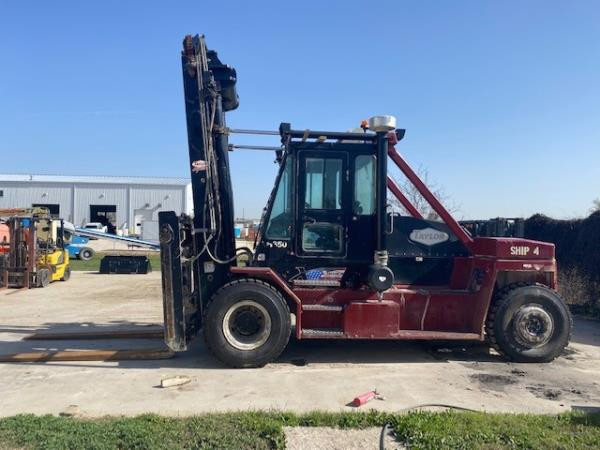
OSHA has worked hard to make sure that people working with forklifts and those working in the vicinity of forklifts are kept as safe as possible. They have strict rules and training procedures in place so as to make sure that these industrial machines and their repair processes are handled with respect and as safe as possible. It is very vital that companies follow their rules and steep fines can happen if they are not adhered to.